My Psychology Glossary
Hi, my name is Audrey Yergeau. I have been studying Social Sciences for 1 year at Montmorency College. This year is my last. My field of study is psychology. The glossary that I have made could be useful for the students in Social Science that is interested in psychology. Each word in this glossary is related to the basic notions of psychology and each of them is useful and is a vocabulary commonly used in this field. Indeed, these words have been specially chosen because I'm not an expert. By learning the meaning of the words in this glossary, you could learn a lot.
- neuron
- noun
- A specialized cell transmitting nerve impulses; a nerve cell.
- Example: Their use lies in that they are modeled on real brain structures, while the activity of every neuron can be monitored while they perform an activity - something impossible in living animals.
- en: neurone

- brain stem
- noun
- The central trunk of the mammalian brain, consisting of the medulla oblongata, pons, and midbrain, and continuing downward to form the spinal cord.
- Example: L-dopa enhances dopamine levels of the surviving cells but because the cell bodies in the brain stem degenerate, dopamine-containing terminals also disappear.
- en: tronc cérébral

- cerebellum
- noun
- The part of the brain at the back of the skull in vertebrates. Its function is to coordinate and regulate muscular activity.
- Example: These areas include: the cerebellum, which controls motor coordination; the hippocampal formation, which affects memory loss; and the thalamus, which is involved with sleep.
- en: cervelet

- cerebral cortex
- noun
- The outer layer of the cerebrum (the cerebral cortex), composed of folded gray matter and playing an important role in consciousness.
- Example: It has also been suggested that REM sleep aids learning by weakening irrelevant synapses, which would decrease the efficiency of the cerebral cortex if they were not weakened (Crick and Mitchison, 1983, as cited in Rosenzweig et al, 1999).
- en: cortex cérébral

- limbic system
- noun
- A complex system of nerves and networks in the brain, involving several areas near the edge of the cortex concerned with instinct and mood. It controls the basic emotions (fear, pleasure, anger) and drives (hunger, sex, dominance, care of offspring).
- Example: Ramm and Frost, 1983 (cited in Smith, 1984), found that in the brains of rats, the limbic system and hypothalamic core showed high metabolism during slow wave sleep and the cortex, extra-pyramidal system and parts of the hippocampus showed high metabolism during REM sleep.
- en: système limbique

- unconscious
- noun
- The part of the mind which is inaccessible to the conscious mind but which affects behavior and emotions.
- Example: Freud believed this agitated scene to be an unconscious memory of his parents engaging in sexual intercourse, although Freud also later admitted that the dream could have been generated from witnessing animals copulating.
- en: inconscient

- cognition
- noun
- Process by which an organism acquires awareness of events and objects in its environment.
- Example: The cultural origins of human cognition.
- en: cognition
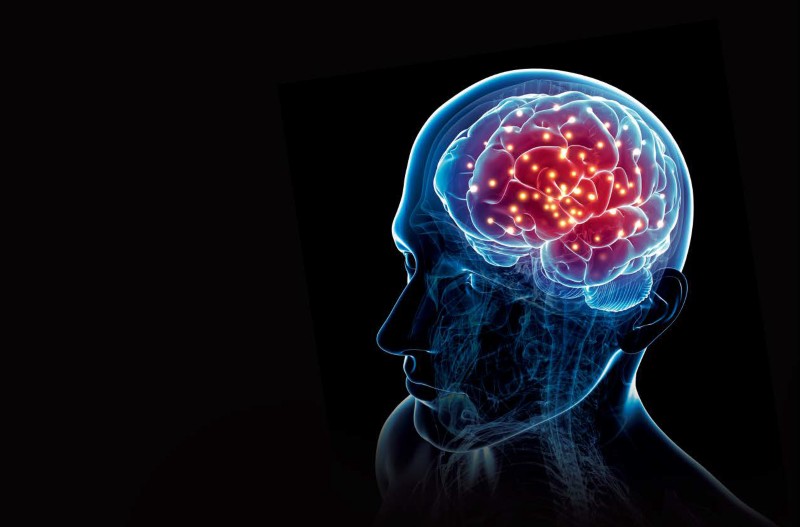
- resilience
- noun
- Ability to overcome traumatic shocks.
- en: résilience

- thalamus
- noun
- It has several functions, such as relaying of sensory signals.
- Example: These areas include: the cerebellum, which controls motor coordination; the hippocampal formation, which affects memory loss; and the thalamus, which is involved with sleep.
- en: thalamus

- hypothalamus
- noun
- The hypothalamus plays a crucial role in many important functions, including: releasing hormones. regulating body temperature.
- Example: Thermoregulation relies on the activities of many systems but is coordinated by the hypothalamus, often referred to as the body's thermostat (Gould, 2002).
- en: hypothalamus

- mental health
- noun
- A person’s condition with regard to their psychological and emotional well-being.
- Example: However it is now more common to use a biomedical approach to mental health problems when treating someone such as the Wolf-Man, rather than a psychoanalytic model.
- en: santé mentale

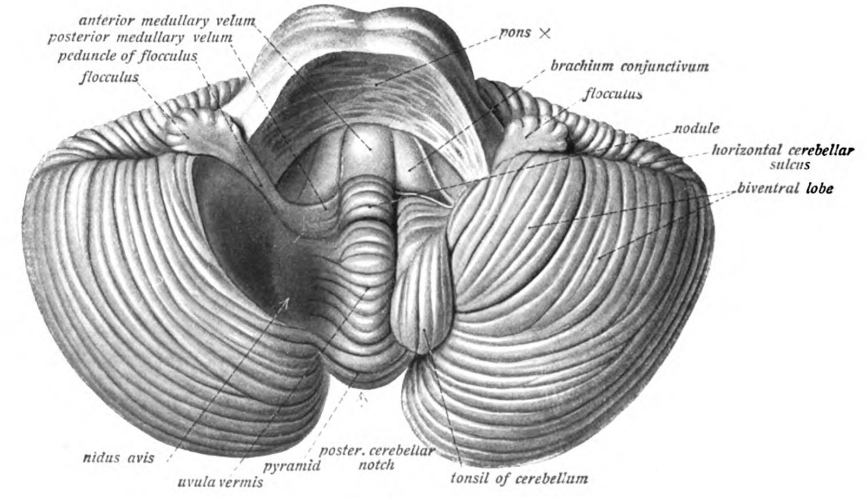
- cerebellar tonsil
- noun
- The cerebellar tonsil is analogous to a rounded lobule on the undersurface of each cerebellar hemisphere, continuous medially with the uvula of the cerebellar vermis and superiorly by the flocculonodular lobe.
- en: amygdale
- hippocampus
- noun
- The elongated ridges on the floor of each lateral ventricle of the brain, thought to be the center of emotion, memory, and the autonomic nervous system.
- Example: Ramm and Frost, 1983 (cited in Smith, 1984), found that in the brains of rats, the limbic system and hypothalamic core showed high metabolism during slow wave sleep and the cortex, extra-pyramidal system and parts of the hippocampus showed high metabolism during REM sleep.
- en: hippocampe

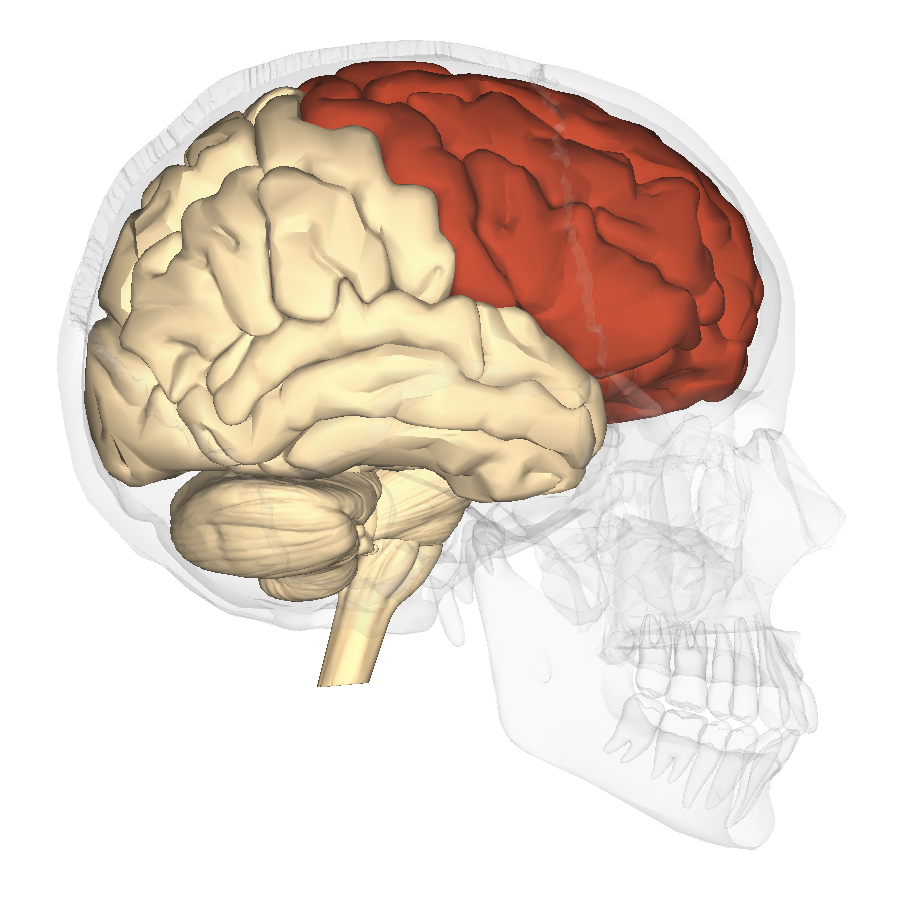
- frontal lobe
- noun
- Each of the paired lobes of the brain lying immediately behind the forehead, including areas concerned with behavior, learning, personality, and voluntary movement.
- Example: Vague support was found for the hypothesis that psychopaths would perform poorer on tasks involving the frontal lobe.
- en: lobe frontal
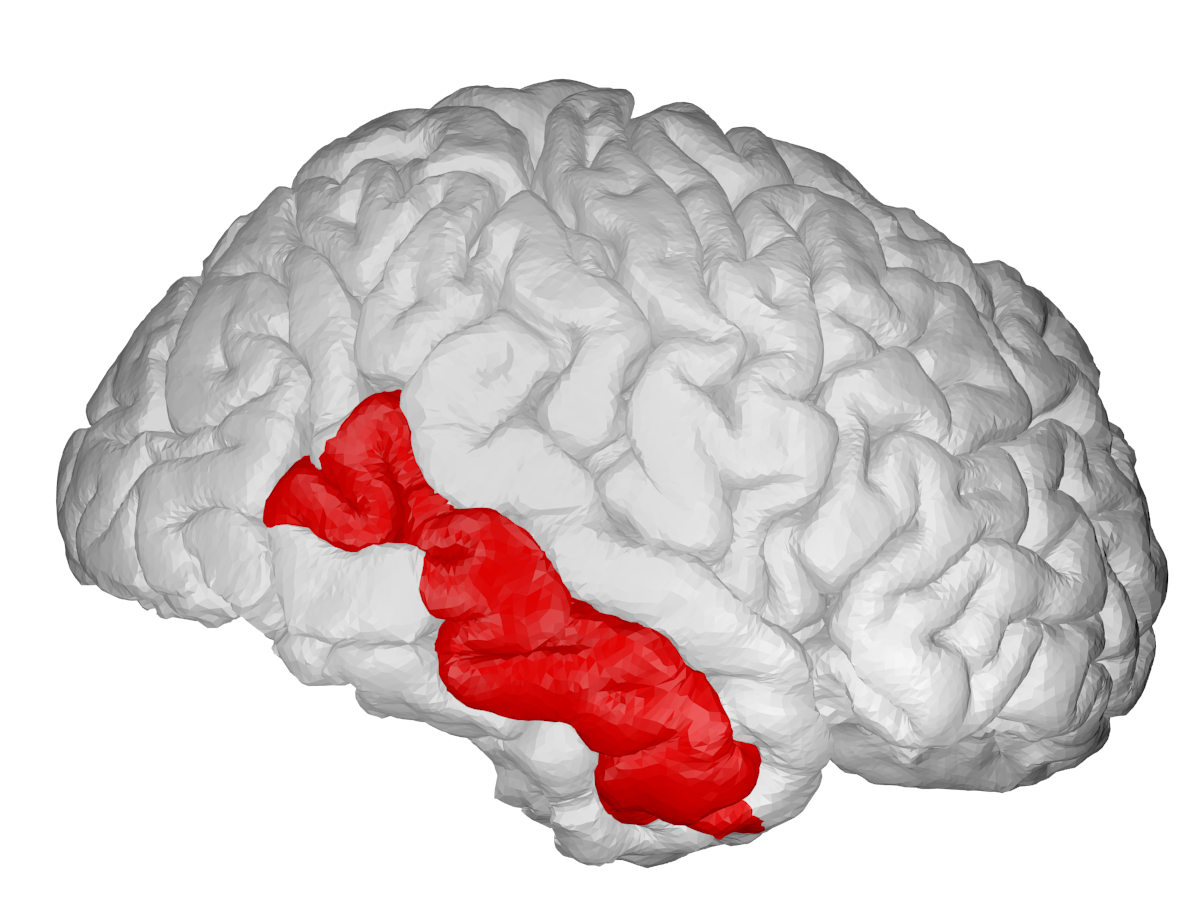
- temporal lobe
- noun
- The lobe of the brain located closest to the ear. Structures in the temporal lobe are important for memory, language, and hearing, along with many other functions.
- Example: These studies suggest that temporal lobe structures play an important part in the elicitation and maintenance of anxiety states.
- en: lobe temporal
- parietal lobe
- noun
- Either of the paired lobes of the brain at the top of the head, including areas concerned with the reception and correlation of sensory information.
- Example: It can be roughly divided into five parts: the frontal lobe, the parietal lobe (middle), the occipital lobe, the temporal lobes and the insula, this is a structure buried deep within the lateral sulci covered by portions of the temporal, parietal and frontal lobes.
- en: lobe pariétal

- occipital lobe
- noun
- The rearmost lobe in each cerebral hemisphere of the brain.
- Example: These problems with movement occur because the loss of the oligodendroglia cells weaken the electrical impulses from the brain and sometimes fail to transmit them at all. b) A tumour destroys the fusiform gyrus in your right temporal lobe The fusiform gyrus can be found in the medial part of the occipital lobe situated in the right temporal lobe.
- en: lobe occipital

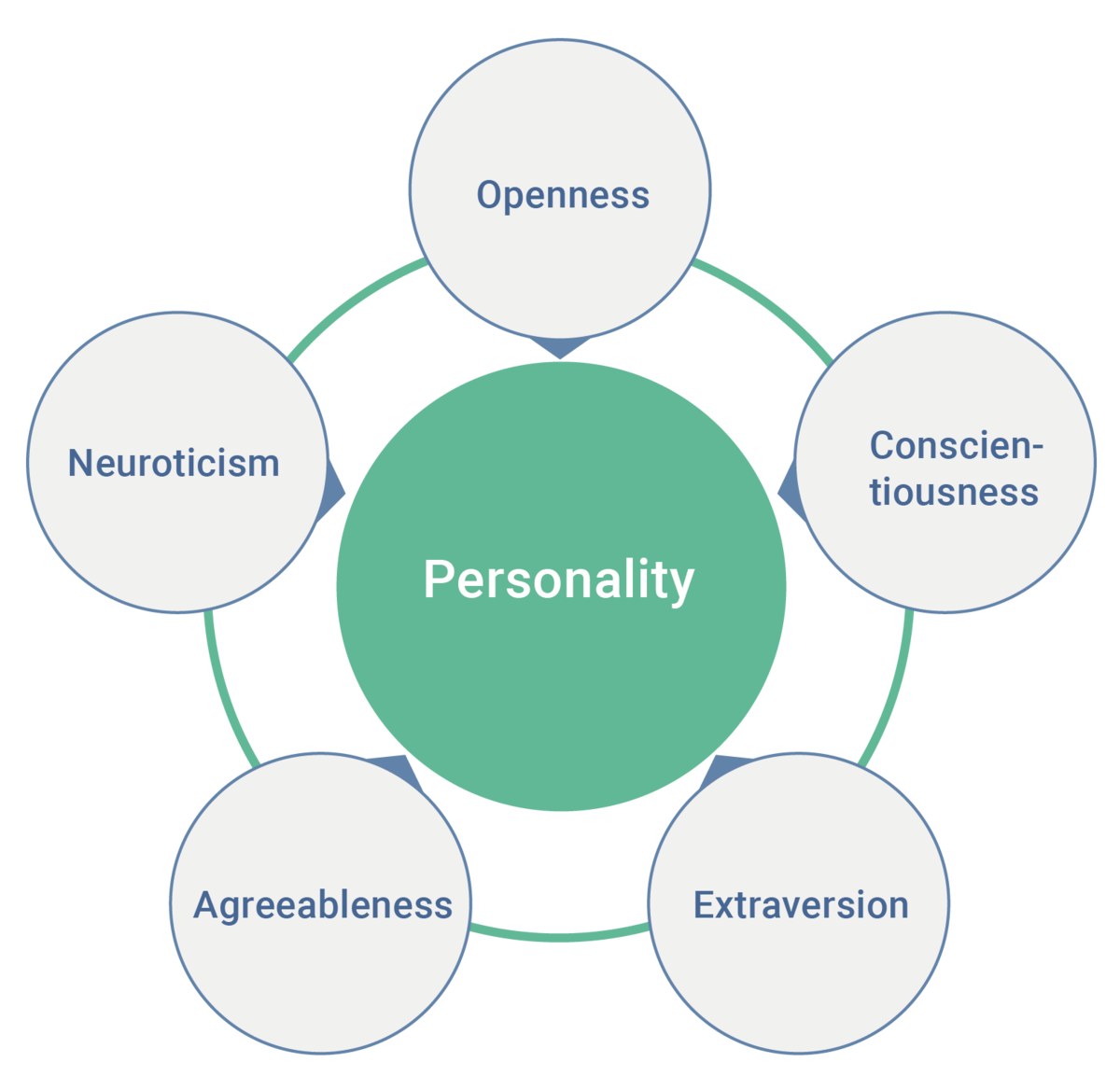
- personality
- noun
- Set of psychological and behavioral characteristics that give the person a sense of identity.
- Example: Certain personality traits are particularly vulnerable to coercion.
- en: personnalité
- anxiety
- noun
- A feeling of worry, nervousness, or unease, typically about an imminent event or something with an uncertain outcome.
- Example: In light of our current understanding of anxiety disorders, evaluate Freud's interpretation and handling of the Wolf-Man case.
- en: anxiété

- depression
- noun
- A mental condition characterized by feelings of severe despondency and dejection, typically also with feelings of inadequacy and guilt, often accompanied by lack of energy and disturbance of appetite and sleep.
- Example: Some research indicated that depressed mood results in excessive gambling while other research showed excessive gambling leads to depression.
- en: dépression